Get A Free Quote

3 Way Switch Dimmer 5 Buying Tips for Global Buyers?

Choosing a 3 Way Switch Dimmer for an international project is not simply a price comparison. It is a compatibility decision involving voltage, frequency, wiring, load type, certification, and long-term support. A dimmer that performs well in a 120-volt home may fail in a 230-volt installation. That difference can damage LEDs, create flicker, or leave a three-way circuit unreliable.

The International Energy Agency’s Buildings 2023 report states that building operations consume about 30% of global final energy. Lighting controls cannot solve every energy problem. They can, however, reduce unnecessary lighting use and improve daily comfort. The U.S. Department of Energy also identifies lighting controls as an important part of efficient solid-state lighting systems. As lighting researcher Dr. Mariana Figueiro has said, “Light is not just for vision; it also affects our health and well-being.” Her observation gives this buying decision a wider meaning. A dimmer changes brightness, but it also changes how people experience a room.

This guide presents five practical buying tips for global buyers. It examines regional electrical standards, LED compatibility, neutral-wire requirements, three-way wiring, smart-home integration, and after-sales service. Buyers should check the actual load range, not only the product headline. Look for tested certifications, clear installation diagrams, and documented operating temperatures. Some product pages remain vague. That is a warning sign. The best choice may not be the cheapest unit, and even experienced purchasers can overlook regional differences. Careful verification remains essential.
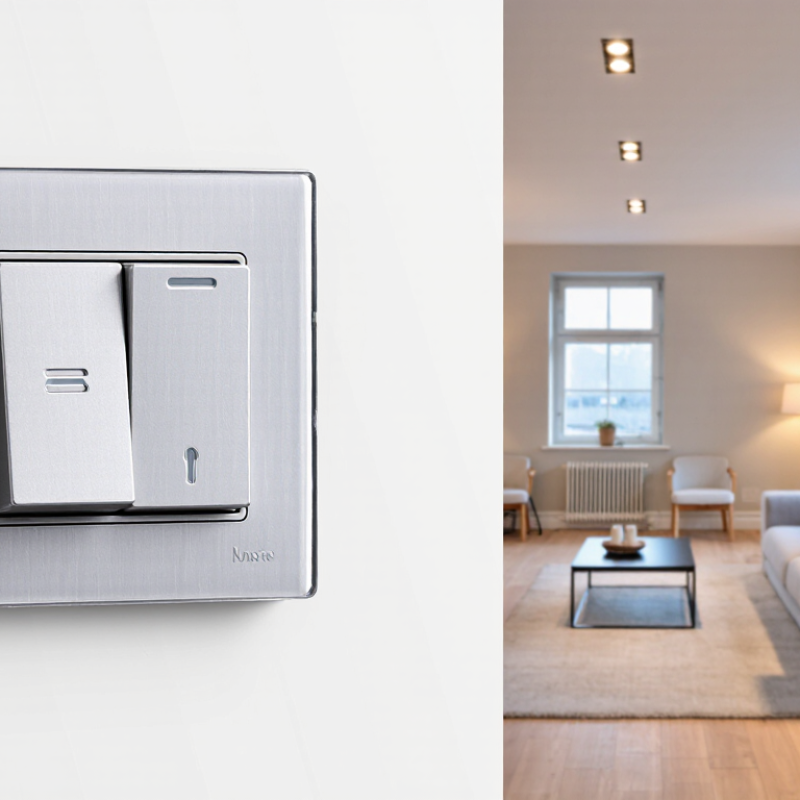
3 Way Switch Dimmer 5 Buying Tips for Global Buyers?

Understanding How a 3-Way Switch Dimmer Works

A 3-way switch dimmer controls one light from two wall locations. It does not mean three switches. Power enters the common terminal. Two traveler wires carry the switching path between locations. The dimmer changes the load’s power level, while the second control changes the circuit state. In many installations, only one location uses the dimmer. The other needs a compatible three-way switch. A neutral wire may be required, especially for electronic controls. Check the wiring diagram, not color assumptions.

For global buyers, five checks deserve attention: circuit voltage, frequency, load type, wattage range, and terminal layout. A control designed for one voltage system may fail on another. LED loads can flicker below the dimmer’s minimum rating or refuse to turn off. Incandescent and low-voltage lamps may need different control methods. Confirm whether the product requires a neutral, supports a traveler connection, and accepts the local wire size. Short manuals are not always clear. I once treated a similar diagram as universal. It was not.

Look for independent safety testing and documentation suited to the destination market. Markings alone are not enough; verify the applicable certification details. During installation, switch off the breaker and test every conductor. Do not rely on a wall switch position. A loose traveler can cause intermittent operation, heat, or unexpected dimming. If the box has crowded conductors, stop and call a qualified electrician. Photographing existing terminals helps, but photographs can hide damaged insulation. Leave room for that possibility.

Checking Compatibility With Wiring, Lamps, and Lighting Loads

3 Way Switch Dimmer: 5 Buying Tips for Global Buyers

Checking Compatibility With Wiring, Lamps, and Lighting Loads

A three-way dimmer must match the circuit, not only the wall box. Confirm whether the installation uses a neutral wire, traveler wires, and a proper grounding path. Older homes may have crowded boxes or unclear wire colors. Never trust color alone. A qualified electrician should verify each conductor before connection.

Tip 1: Check the wiring diagram and terminal layout. Tip 2: Confirm the local voltage and frequency. Tip 3: Match the dimmer with LED, incandescent, or halogen lamps. Tip 4: Review the minimum and maximum load ratings. Tip 5: Test compatibility with the existing three-way switch. These details prevent flicker, buzzing, and uneven dimming.

Lamp behavior can change under low loads. For example, two small LED lamps may fall below the dimmer’s minimum rating. Mixed lamp types can create unstable results. I have seen a circuit work during daytime testing, then flicker after another lamp was added. That mistake is easy to make. Check total wattage, lamp quantity, and dimmable labeling together. Some electronic lamps still perform poorly with certain controls. A short trial is useful, but it does not replace the manufacturer’s technical instructions.

3 Way Switch Dimmer: 5 Buying Tips for Global Buyers — Checking Compatibility With Wiring, Lamps, and Lighting Loads

Buying Tip What to Check Verified Compatibility Information Common Mismatch or Risk Recommended Buyer Action
1. Confirm the circuit topology Identify whether the circuit is a true 3-way arrangement and determine the line, load, traveler, neutral, and ground conductors. A standard 3-way circuit controls one lighting load from two locations and normally uses two traveler conductors between the switching points. A dimmer is generally installed at one location, while the other location must use a compatible 3-way or companion control. A single-pole dimmer, ordinary 3-way switch, or incompatible companion control may cause loss of 3-way operation, flicker, overheating, or an inoperative circuit. Use the wiring diagram supplied with the dimmer. Turn off power at the circuit breaker and have a qualified electrician verify conductor functions before installation.
2. Check neutral-wire requirements Check whether a neutral conductor is present in the wall box and whether the selected dimmer requires it. Some electronic dimmers require a neutral connection for their internal electronics; others are designed for installation without a neutral. The required wiring varies by model and electrical system. Installing a neutral-required dimmer where no neutral is available can prevent operation or create an unsafe installation. Using a no-neutral design with very low LED loads may produce faint glow or shutoff issues. Confirm the product wiring diagram, minimum load requirement, and box conductor availability. Never use a protective earth or ground conductor as a neutral.
3. Match the lamp technology Determine whether the lamps are dimmable LED, incandescent, halogen, fluorescent, or another lamp type. Incandescent and halogen lamps are commonly controlled by phase-cut dimmers. LED lamps require a dimmable LED rating and may need a compatible forward-phase or reverse-phase control. Standard fluorescent lamps generally require a suitable dimming ballast and control system. A non-dimmable LED, ordinary fluorescent fixture, or incompatible electronic driver may flicker, buzz, have a narrow dimming range, fail to turn fully off, or suffer reduced service life. Select lamps and drivers marked as dimmable and verify compatibility with the dimmer's specified control method. Test the lowest and highest brightness levels after installation.
4. Calculate the lighting load Add the wattage of all lamps controlled by the dimmer and compare it with the dimmer's rating for the actual lamp technology. The total connected load is the sum of the individual lamp wattages. A dimmer may have different limits for incandescent, halogen, LED, and motor or fan loads; LED capacity can also be limited by inrush current and driver design. Exceeding the rated load can cause overheating, nuisance shutdown, shortened service life, or fire risk. Treating LED wattage as the only rating factor may overlook driver inrush current. Compare total watts and lamp quantity with the exact rating table in the technical documentation. Leave margin below the maximum rating when the manufacturer specifies a derating requirement.
5. Verify electrical-system and installation requirements Check rated voltage, frequency, enclosure space, ambient temperature, grounding, and local approval requirements. Residential lighting systems commonly use different nominal voltages and frequencies in different regions. A dimmer must be rated for the local supply, installed in a suitable electrical box, and used within its stated temperature and load limits. A voltage or frequency mismatch can damage the dimmer or create an electric-shock and fire hazard. Crowded boxes can also lead to heat buildup and difficult conductor connections. Confirm the local nominal voltage and frequency, required conformity marking, box-fill capacity, wire-size range, and installation instructions before purchase. Follow local electrical codes.

Safety note: Electrical wiring should be de-energized at the breaker and verified with an appropriate tester. Installation and code compliance should be handled by a qualified electrician where required by local regulations.

Comparing Voltage, Frequency, and Certification Requirements Worldwide

3 Way Switch Dimmer 5 Buying Tips for Global Buyers

Voltage and frequency are the first compatibility checks. IEC 60038 lists common low-voltage systems around 230 V and 120 V. Most markets use either 50 Hz or 60 Hz. A dimmer rated for 120 V, 60 Hz may overheat on a 230 V, 50 Hz circuit. That mistake is expensive. Check the product label, wiring diagram, and local supply data before ordering. The IEA Electricity 2024 report expects global electricity demand to rise by about 4% in 2024, increasing demand for reliable control devices.

Certification requirements also vary by destination. IEC 60669-2-1 covers electronic switches for household and similar fixed installations. It addresses switching performance, heating, insulation, and abnormal operation. However, IEC testing alone may not satisfy every market. European shipments may require Low Voltage Directive conformity and appropriate marking. North American projects often request testing against locally recognized safety standards. Ask for test reports, not only a printed certificate.

Load compatibility needs practical attention. LED lamps can flicker when a dimmer lacks a minimum-load rating or neutral connection. Some three-way circuits need a compatible companion switch. Confirm rated wattage for LED, resistive, and motor loads separately. Product data sheets can be unclear. I have seen buyers compare only voltage and miss the load curve. That deserves a second check. Where certification language conflicts, consult an accredited laboratory or local electrical professional.

Evaluating Dimming Performance, Controls, and Smart Features

For global buyers, a three-way switch dimmer must deliver stable control, not merely a lower light level. Test it with the actual LED lamps, cable length, and load range. Flicker may appear at 10% output, especially with low-wattage lamps. The U.S. Department of Energy’s solid-state lighting reports identify controls and dimming as practical paths to lower lighting energy use. The International Energy Agency’s Energy Efficiency 2023 report estimates lighting uses about 5% of global electricity. These figures make control quality commercially important, not decorative.

Tips: Check minimum load, maximum wattage, neutral-wire requirements, and trailing-edge compatibility. A smooth fade from 100% to 20% feels better than sudden jumps. Also inspect switch temperature after an hour. It should feel warm, not uncomfortably hot. Local voltage and frequency matter. A unit designed for one market may behave poorly elsewhere.

Smart features need the same scrutiny. Confirm whether the dimmer supports Wi-Fi, Bluetooth, or a local mesh network, then check offline operation. A reliable three-way setup should still work when the internet fails. Review app permissions, firmware support, and manual override options. The U.S. DOE also notes that connected controls can improve savings through occupancy and scheduling, but real results depend on user settings. That is the weak point. Many buyers overvalue app features and under-test low-end dimming. A simple wall control may outperform a smarter product in daily use.

3-Way Switch Dimmer: 5 Buying Tips for Global Buyers

Compare typical nominal mains conditions before evaluating dimming performance, control compatibility, load support, and smart features. Always confirm the dimmer’s certified voltage, frequency, wiring method, and load rating for the target market.

Buying checklist: choose a dimmer with a stable low-end dimming range, compatibility with the intended lamp load, clear 3-way or multi-way control support, suitable neutral-wire requirements, and smart connectivity that matches the local electrical system and control platform.

Reviewing Installation Safety, Durability, Warranty, and Support

When buying a 3-way switch dimmer globally, installation safety deserves more attention than appearance. Check voltage, frequency, load type, and neutral-wire requirements before ordering. IEC 60669-2-1 covers electronic switches for household installations, while local certification remains essential. A qualified electrician should verify grounding and box depth. Small errors can create heat behind the wall.

NFPA reports that electrical distribution and lighting equipment contribute to a significant share of U.S. home fires, so poor connections are not a minor concern. Choose models with overload and overheat protection, clear terminals, and tested LED compatibility. The IEA estimates lighting uses about 15% of global electricity, making efficient dimming valuable. However, some LED lamps flicker at low settings. I have seen this happen even with apparently compatible products. Durability depends on switch cycles, heat management, and material quality, not only advertised ratings. Look for documented endurance testing and a warranty covering parts, labor, and international replacement conditions. Support should provide wiring diagrams, response times, and troubleshooting in understandable English. A five-year warranty sounds strong, but vague exclusions weaken it. Ask difficult questions before purchase. Check whether firmware updates, spare faceplates, or electrician assistance are available in your region. Oversights are common. They deserve a second review.

crossmenu linkedin facebook pinterest youtube rss twitter instagram facebook-blank rss-blank linkedin-blank pinterest youtube twitter instagram