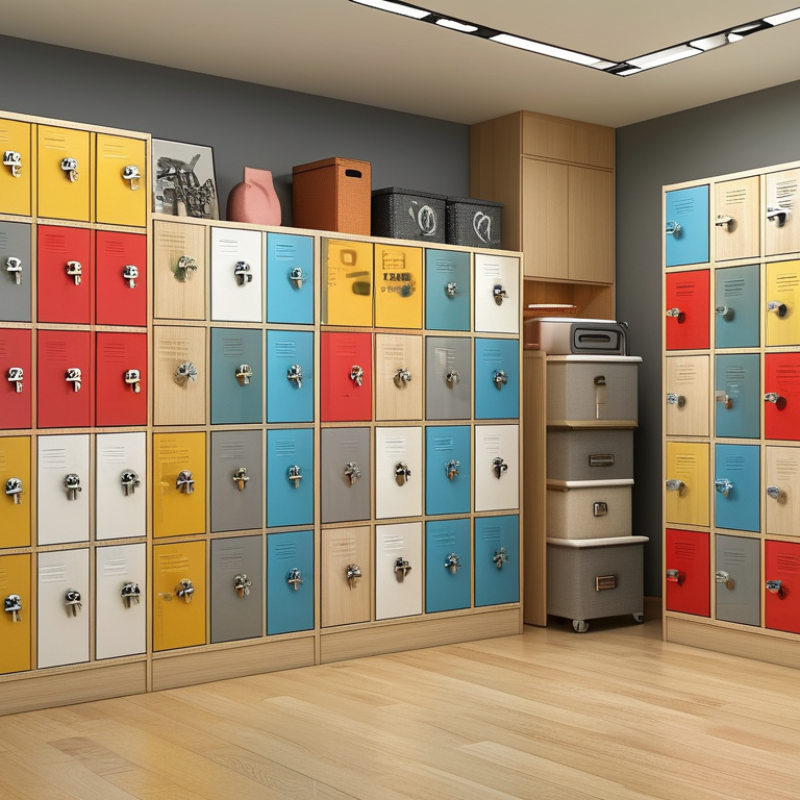
How to Choose the Best Lockers With Locks for Your Needs?
Choosing the right Lockers With Locks is essential for security and convenience. Many options exist, but not all are suitable for your specific needs. Factors such as size, durability, and lock mechanism can greatly affect your experience.
When considering lockers with locks, think about where you will use them. Are they for a gym, school, or office? Each environment has different requirements. The interior layout and material can also indicate how well it will serve you.
It’s important to evaluate both functionality and aesthetic appeal. Some lockers are designed for heavy-duty use, while others may be more decorative. Striking the right balance can be challenging. Additionally, look for lockers with locks that offer ease of use and reliability. Do they provide adequate protection against theft? Consider these aspects carefully to avoid future regrets.
Identify Your Storage Needs and Purpose for Lockers
When choosing lockers, it's essential to identify your specific storage needs. Consider what items you plan to store. Are they large or small? Heavy or light? This can significantly impact the size and type of locker you need. For instance, sports equipment requires more room. On the other hand, personal items can fit into smaller compartments.
Think about where you will use the lockers. School, gym, or workplace settings often have different requirements. A school locker might emphasize security and easy access. Meanwhile, gym lockers should prioritize durability against moisture. Reflect on how frequently you will access the items. If you need daily access, choose a location that's easily reachable.
Security is also a critical factor. Some items might require a higher level of protection. In this case, opt for thicker materials or integrated locking systems. Consider whether a key, combination, or digital lock suits your lifestyle. Each lock type has its pros and cons. Take time to weigh these options carefully. Your choice should reflect your daily habits and the importance of the items you are storing.
Understand Different Types of Locks Available for Lockers
When choosing lockers, it's essential to understand the different types of locks available. The type of lock can greatly affect security and convenience. Common options include combination locks, key locks, and electronic keypad locks. Combination locks are reliable. They don’t require a key, but you must remember the code. If you forget, it could be a hassle.
Key locks are basic but effective. They provide security, but losing the key can be frustrating. Consider a spare key system. Electronic keypad locks offer modern convenience. They allow customizable codes, reducing the risk of lost keys. However, battery failure can be a risk, so check the battery status regularly.
Different environments may require different locks. Schools might prefer combination locks for ease of use. Gyms may opt for key locks to enhance security. Businesses often seek electronic options for higher security needs. Reflect on your specific requirements. Think about how often you need access and the level of security needed. Choosing the right lock is essential for ensuring safety and convenience.
Types of Locks for Lockers
This chart illustrates the popularity of different types of locks used for lockers based on the number of users. Padlocks are the most popular choice, while fingerprint locks are less commonly used.
Consider the Size and Space Requirements for Your Lockers
When it comes to choosing lockers, size and space are critical factors. The dimensions of your chosen lockers should fit your intended location. Poor sizing can lead to wasted space or overcrowded areas. According to a report by the International Facility Management Association, inadequate space planning can cost companies approximately 30% of their operational effectiveness. Therefore, measure your space carefully before making a decision.
Think about the items you'll store. If you need to store bulky items, opt for larger lockers. Conversely, personal items might only require smaller units. Additionally, the layout of the area matters. Atypical layouts may require custom solutions. This ensures that lockers utilize available space efficiently. The American Society of Interior Designers emphasizes that poorly placed storage can lead to workflow disruptions.
The trend towards modular lockers is also increasing. These lockers allow flexibility and adaptability. They can be reconfigured based on changing needs. A study from the Lockers and Storage Association highlights that businesses with flexible locker solutions increase employee satisfaction by up to 25%. Keep in mind, without proper planning and execution, even the best lockers can fail to meet user needs.
Evaluate the Material and Durability of Lockers with Locks
When selecting lockers with locks, considering material and durability is key. Metal lockers often resist wear and tear better than plastic options. Each material has its pros and cons. Plastic lockers are lightweight but may not withstand heavy impacts. Metal lockers are heavy-duty but can rust over time if not treated properly.
Think about your environment. Lockers in a humid area need corrosion-resistant materials. Look for features like powder-coated finishes that enhance durability. Also, consider the thickness of the walls. Thicker walls typically last longer and offer better security.
Test the locks, too. A good lock contributes to the overall durability of the locker. Know that even the best materials can fall short if the locking mechanism is weak. Reflect on your specific needs, such as temperature, moisture, and usage frequency. Quality doesn’t always mean higher prices, but it often requires careful inspection. Choose wisely based on both strength and intended use.
Research Security Features and Additional Options for Lockers
When selecting lockers, security features play a pivotal role. Research shows that over 70% of users prioritize security when choosing storage solutions. Many lockers offer advanced locking mechanisms. This includes keypad entry, biometric locks, and traditional key locks. These features vary in reliability and complexity. Some users may feel overwhelmed by these options.
Durability is another factor to consider. Data reveals that high-quality materials in lockers can enhance security and longevity. Steel lockers typically resist tampering better than those made from plastic. However, some users may overlook the importance of corrosion resistance. Lockers in humid environments can suffer without proper materials.
You should also think about additional options. Features like ventilation and adjustable shelves can add value. Research indicates that 60% of users regret not considering these factors earlier. While security should remain a priority, functionality also matters. Users often find that the right mix of security and usability leads to better satisfaction. Remember, the perfect locker aligns with your unique needs.