How to Choose the Best LED Panel Light for Your Needs?
Choosing the right Led Panel Light can be a daunting task. With various sizes, wattages, and designs available, many factors come into play. LED panel lights are popular for their energy efficiency and sleek appearance. Whether it's for your home or office, selecting the best option requires careful consideration.
Understanding your specific needs is vital. Think about the space you want to illuminate. The ceiling height, color preferences, and brightness requirements all matter. Some lights are designed for specific applications, while others offer wider versatility. Do you prefer a dimmable option? What about temperature control? These features can enhance the overall ambiance.
Not all LED panel lights are created equal. Researching reputable brands matters. Look for certifications that indicate safety and energy efficiency. Customer reviews can provide insights into long-term reliability. However, relying solely on reviews may not capture every detail. It is essential to physically assess the lights if possible. These factors together help in making an informed decision. A thoughtful approach can lead to satisfaction in your choice.
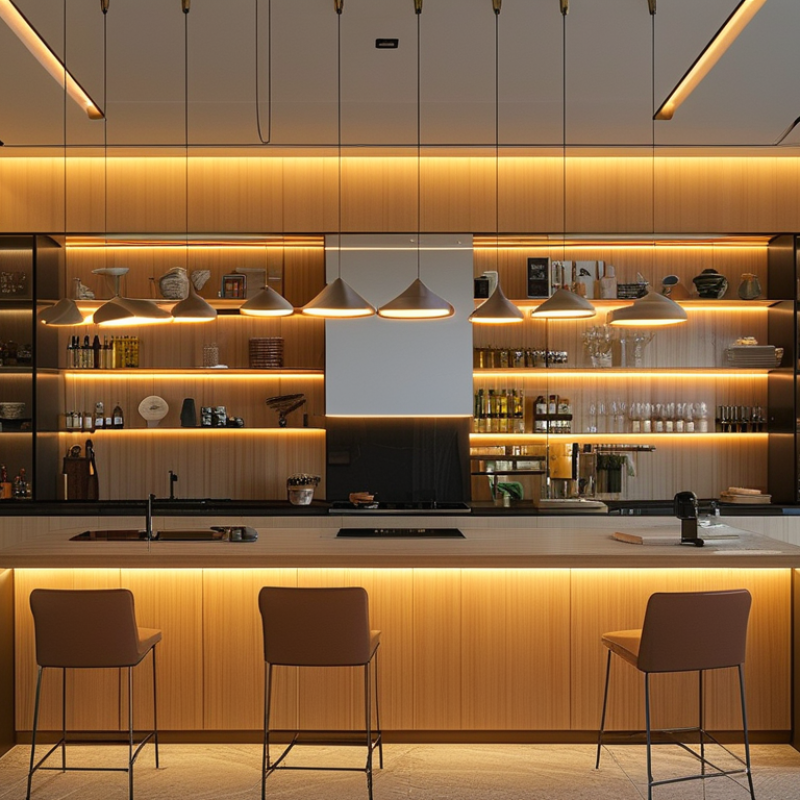
Understanding Different Types of LED Panel Lights Available on the Market
When exploring LED panel lights, it's essential to understand the different types available on the market. The most common types include edge-lit and backlit panels. Edge-lit panels are slim and energy-efficient, using LEDs along the edges to diffuse light across the surface. This design can save space and offer a modern look. However, they may have uneven lighting in some situations. Backlit panels, on the other hand, provide more uniform light distribution and are generally thicker. They can be more expensive and might require more installation work.
Another aspect to consider is the color temperature of the LED panels. Options range from warm white to cool daylight. A warm white at around 3000K creates a cozy atmosphere, ideal for living spaces. Conversely, cool daylight at about 6000K is better for offices and detailed tasks, helping to enhance focus and reduce eye strain. Selecting the right temperature can greatly affect how a space feels and functions.
Lastly, the wattage and lumen output are crucial. Higher wattage often means brighter light, but not always. It's important to match the lumen output to the space's requirements. Some users find that too much brightness can be overwhelming. Consider the setting and purpose of the light. Conducting thorough comparisons and taking user feedback into account can help refine your choice.
Evaluating the Appropriate Brightness and Color Temperature for Your Space
When selecting LED panel lights for your space, brightness and color temperature are crucial factors. A recent study by the Lighting Research Center states that optimal brightness levels vary depending on usage. For workspaces, a range of 300 to 500 lumens per square meter is effective, promoting productivity without causing eye strain. In contrast, spaces meant for relaxation may benefit from softer lighting, ideally under 300 lumens.
Color temperature also impacts the ambiance. Measured in Kelvin (K), warmer tones (2700K to 3000K) create a cozy feel, perfect for living areas. Conversely, cooler tones (4000K to 5000K) are recommended for offices, enhancing alertness and focus. The right balance can significantly influence mood and functionality within the space. Attention to these details can make a noticeable difference in everyday life.
It's essential to consider your unique needs. Not every light serves every purpose. Some people might find daylight-balanced lights stark or overly cool, leading to discomfort. Adjusting to personal preferences and room characteristics may take time. Thoughtful evaluation will reveal what truly works for enhancing your environment.
Assessing Energy Efficiency and Lifespan of LED Panel Lights
When selecting LED panel lights, energy efficiency and lifespan hold significant importance. Many industry reports indicate that LED lights consume up to 75% less energy than traditional lighting. This remarkable efficiency results in lower electricity bills and reduced environmental impact. Importantly, the average lifespan of an LED panel light ranges from 25,000 to 50,000 hours. This longevity not only decreases the frequency of replacements but also minimizes waste.
Tips: When evaluating options, consider choosing products with high lumen output per watt. This indicates better energy efficiency. Additionally, check for labels like ENERGY STAR, which signify adherence to energy-saving standards.
Understanding energy efficiency also means recognizing lumens over watts. More lumens indicate brighter light, while fewer watts indicate less energy consumption. Some affordable options may not meet energy efficiency standards. Users might need to weigh initial costs against long-term savings. Inadequate research could lead to purchasing a product that fails to meet expectations, which is a regrettable pitfall.
In conclusion, assessing energy efficiency and lifespan is crucial when choosing LED panel lights. Users should invest time in understanding specifications and certifications. Making informed decisions will ultimately lead to better choices for both home and office lighting solutions.
Considering Installation Options and Compatibility with Your Existing Setup
When selecting an LED panel light, installation options and compatibility with your existing setup are crucial. Start by assessing your current lighting arrangement. If you're replacing old fixtures, measure the space carefully. Ensure the new panel fits well within the existing dimensions. Many panels come in standard sizes, but customization might be necessary for unique setups.
Different installation options include recessed, surface-mounted, and suspended styles. Recessed lights provide a seamless look which can elevate the aesthetic of your space. Surface-mounted panels can be easier to install and are practical for areas with limited ceiling height. Suspended lighting often works well in commercial spaces, inviting a modern vibe. Reflect on the installation process and tools required. Sometimes, hiring a professional can save time and ensure safety.
Compatibility matters significantly. Check the power source and wiring in your space. Not all LED panels operate on the same voltage. Are dimming features a requirement for your environment? Ensure that the panel light you choose matches these specifications. Weigh functionality against your budget, considering both upfront costs and long-term energy savings. While it is easy to overlook these details, they can significantly impact performance and satisfaction in the long run.
Comparing Price Points and Warranty Offerings from Various Manufacturers
When considering LED panel lights, price points and warranty offerings are crucial. Different manufacturers present varying price ranges. It's essential to assess your budget. Some panels may appear economical but lack durability. Others may be pricier, yet they often offer better quality and longevity.
Warranties can reveal a lot about a product's reliability. A strong warranty indicates confidence from the manufacturer. Many offer warranties between two and five years. This can make a significant difference in your long-term satisfaction. Consider how often you plan to use these lights. If they will be used in high-demand areas, opt for those with a longer warranty.
Look beyond the surface. Not every low-cost option represents poor quality. Some budget-friendly products perform exceptionally well. However, keep an eye out for hidden costs, like installation. Always read reviews, as they can provide real-world insights. Reflect on your preferences. Is saving money more important than reliability for you? Be honest with yourself about your needs.
How to Choose the Best LED Panel Light for Your Needs?
| Manufacturer | Price Range | Warranty Period | Lumens per Watt | Color Temperature (K) |
| Manufacturer A | $40 - $60 | 5 Years | 100 Lumens/Watt | 3000 - 4000 |
| Manufacturer B | $30 - $50 | 3 Years | 90 Lumens/Watt | 4000 - 5000 |
| Manufacturer C | $50 - $70 | 7 Years | 110 Lumens/Watt | 3500 - 4500 |
| Manufacturer D | $25 - $45 | 2 Years | 85 Lumens/Watt | 3000 - 6000 |
| Manufacturer E | $60 - $80 | 6 Years | 95 Lumens/Watt | 4000 - 5000 |