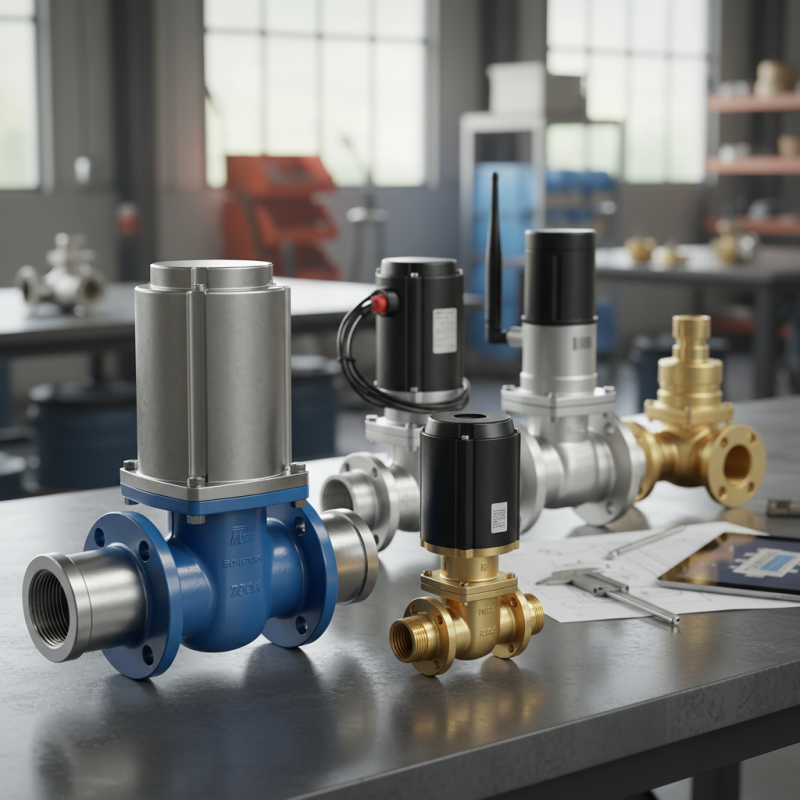
How to Choose Electric Ball Valves for Your Project?
When selecting Electric Ball Valves for your project, several factors come into play. These valves are vital for controlling fluid flow in various systems. Their precise functioning makes them a popular choice in industrial applications. However, choosing the right electric ball valve is not always straightforward.
It is essential to understand the specifications that matter most for your needs. Design, size, and compatibility with your existing system are significant considerations. The materials used in the valve can impact durability and resistance to corrosion. Balancing these factors can be tricky.
Many overlook the need to evaluate the control mechanism. Some valves offer advanced features like feedback systems or remote control options. While these can enhance functionality, they may also complicate installation and maintenance. Reflecting on these details can lead to better decision-making for your project.
Understanding the Basics of Electric Ball Valves
Electric ball valves are becoming increasingly popular in various industries. These devices control fluid flow with precision. They feature a spherical disc that can rotate, allowing for quick open and close actions. Understanding the basics of electric ball valves is crucial for effective application in any project.
The market for electric ball valves is projected to grow significantly. According to a recent report, the global electric valve actuator market size is expected to reach over $6 billion by 2026. Efficiency and ease of automation are key factors driving this demand. When choosing this type of valve, consider the specific requirements of your system. Think about the operating pressure, temperature range, and flow rates. These parameters affect valve performance.
**Tip:** Investigate the material of the valve. Corrosive environments require special materials to ensure longevity.
Many users overlook the importance of actuator selection. A mismatch can lead to poor performance. Review the voltage and torque specifications closely. Sometimes, users face compatibility issues, which can cause operational failures.
**Tip:** Always factor in the ease of maintenance. Schedule regular inspections to prolong valve life.
Electric Ball Valves Performance Comparison
This chart compares different specifications of electric ball valves based on flow rates, voltage options, and operating torque requirements. Understanding these parameters can help in selecting the right electric ball valve for your project.
Key Factors to Consider When Selecting Electric Ball Valves
When selecting electric ball valves for your project, pay attention to critical factors that can impact performance. The valve size is crucial. It must match the pipe diameter to ensure proper flow. A mismatch can lead to pressure loss or inefficient operation. Additionally, the media type is important. Different fluids require different materials. For instance, corrosive liquids need special coatings to avoid damage.
Consider the voltage requirements as well. Electric ball valves come in various voltage options. Ensure the valve you choose matches your system’s power supply. This choice affects both functionality and reliability. Don't overlook the actuator type, either. Some actuators are more suited for precise control, while others are designed for rapid responses.
Installation ease should also be a consideration. Some valves require complex setups, which can lead to extra costs and time. It's worth reflecting on previous projects to learn from any installation challenges faced. Always check specifications to ensure compatibility with your existing systems. Sometimes, details can be overlooked, leading to complications later.
How to Choose Electric Ball Valves for Your Project? - Key Factors to Consider When Selecting Electric Ball Valves
| Factor | Description | Importance Level |
| Size | Choose the correct valve size for your application to ensure optimal flow and pressure. | High |
| Material | Select the valve material based on the medium, temperature, and pressure conditions they will operate under. | Very High |
| Actuator Type | Consider electric or pneumatic actuators based on your control system and operational requirements. | Medium |
| Control Features | Look for features like position feedback, modulating control, or simple on/off functionality. | High |
| Installation and Maintenance | Evaluate the ease of installation and maintenance requirements to reduce downtime. | Medium |
| Pressure Rating | Ensure the valve can withstand the maximum pressure of the system for safety and reliability. | Very High |
| Flow Coefficient (Cv) | Choose a valve with an appropriate flow coefficient for efficient flow and pressure drop management. | High |
Evaluating Specifications and Performance Ratings
When selecting electric ball valves, evaluating specifications and performance ratings is crucial. Look closely at the valve's size and connection types. This affects installation and compatibility with existing systems. Many users overlook this aspect, leading to unwanted surprises during setup.
Consider the media the valve will handle. Different materials may react differently under various conditions. Check temperature and pressure ratings, as these directly impact longevity and reliability. A valve rated for low temperatures may fail in a high-pressure system. This mismatch can result in leaks or failures.
Finally, pay attention to response times. Some valves operate slower than expected. This might influence system efficiency. Understanding the flow rate requirements can prevent oversizing or undersizing. Look at user reviews too, but be cautious; experiences vary widely. Testing in mock setups can often shine a light on real-world performance.
Installation and Maintenance Considerations for Electric Ball Valves
When selecting electric ball valves, installation and maintenance play crucial roles. Proper installation ensures optimal performance. A study indicates that up to 20% of valve failures result from improper installation. This highlights the importance of aligning the valve correctly and ensuring all connections are secure.
Tips for Installation:
- Use thread sealants on joints.
- Avoid over-torquing fittings.
- Ensure the actuator is correctly mounted.
- Regular checks can prevent leaks and other issues.
Maintenance is equally important. Electric ball valves benefit from routine inspections. Issues like corrosion or wear can lead to operational failures. A report from the Fluid Power Journal notes that timely maintenance increases efficiency by 15%.
Tips for Maintenance:
- Schedule periodic checks.
- Clean all components regularly.
- Replace worn parts before they cause major failures.
- Being proactive can save costs and downtime.
- Neglecting maintenance can lead to bigger issues down the line.
Common Applications and Use Cases for Electric Ball Valves
Electric ball valves are widely used in various industries. They excel in applications requiring reliable flow control. In HVAC systems, these valves manage hot and cold water flows effectively. They also regulate air and gas flows, ensuring energy efficiency. The compact design fits well in tight spaces, making installation straightforward.
In the water treatment sector, electric ball valves help maintain proper flow rates. They easily handle corrosive fluids, reducing wear and tear over time. In food and beverage facilities, hygiene is crucial. These valves ensure safe and clean operation. They streamline processes and minimize downtime, though maintenance must be regular to avoid issues.
Despite their advantages, electric ball valves can have drawbacks. They may fail without warning, leading to unexpected maintenance costs. Additionally, power outages can disrupt operations. Proper planning and backup systems are essential to address these potential pitfalls. Understanding your specific needs is vital before selecting the right valve for your project.