How to Choose the Right Plastic Injection Mold for Your Project?
Choosing the right Plastic Injection Mold is crucial for any project. It can determine the quality and efficiency of the production process. A well-selected mold can yield better products and save costs. However, navigating through different options can be overwhelming.
Several factors influence the selection of a Plastic Injection Mold. These include material type, design complexity, and production volume. Each project has unique needs that mold makers must consider. Sometimes, overlooked details can lead to poor decisions. For instance, neglecting the specific requirements of the plastic material might affect the final product's durability.
Moreover, it's important to reflect on the budget constraints. High-quality molds may come at a steep price. Yet, the cost of inferior molds can escalate due to rework and waste. Balancing quality and cost is not always straightforward. This complexity makes it essential to do thorough research and seek expert advice when necessary.
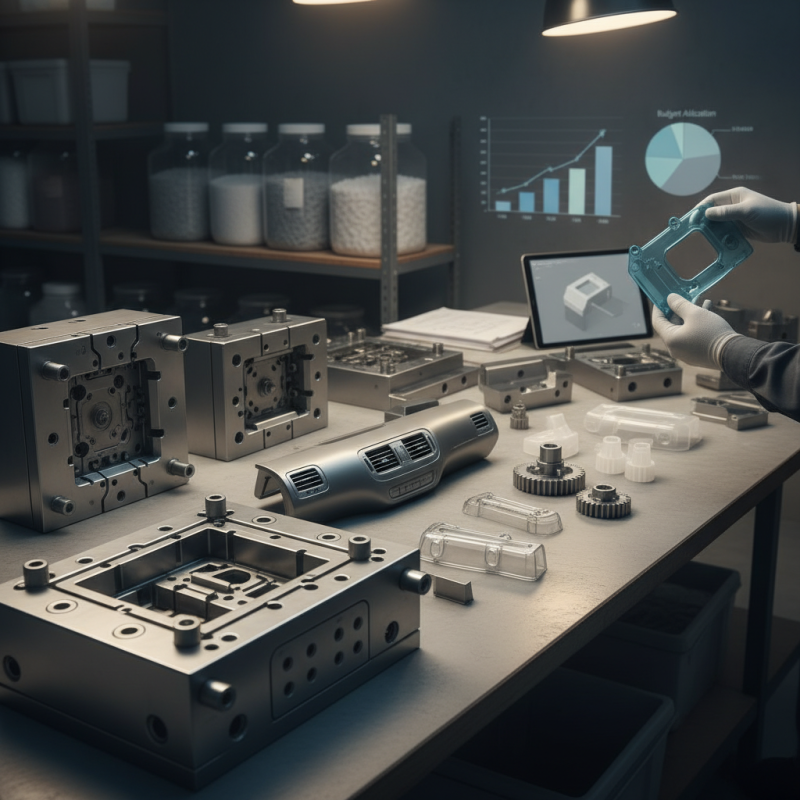
Factors to Consider When Selecting a Plastic Injection Mold Type
When selecting a plastic injection mold, various factors come into play. Material choice is critical. For instance, ABS and polypropylene are popular due to their strength and flexibility. According to a 2021 industry report, over 40% of mold designers prefer these materials for high-volume production.
Another key consideration is mold design. Complex geometries often require advanced techniques like tooling. Approximately 30% of recent projects faced challenges due to inadequate mold design, leading to delays. Testing prototypes can prevent costly mistakes, but many overlook this step.
Production volume also matters. A study shows that molds for smaller runs may require different parameters compared to those meant for mass production. An estimated 25% of new businesses miscalculate their needs, resulting in wasted resources. Understanding the intended scale is crucial to long-term project success.
How to Choose the Right Plastic Injection Mold for Your Project?
| Factor | Description | Importance | Considerations |
| Material Type | The type of plastic resin affects mold design and performance. | High | Consider strength, flexibility, and heat resistance levels. |
| Complexity | Mold complexity influences manufacturing costs and time. | Medium | Evaluate the need for intricate designs versus simplicity. |
| Production Volume | Expected production quantity determines mold durability and design. | High | Plan for low vs. high-volume production techniques. |
| Cycle Time | Time to produce a single part affects overall production efficiency. | Medium | Assess the balance between speed and quality. |
| Budget | Total budget limits mold options and materials. | High | Plan for upfront costs versus long-term savings. |
Understanding Different Materials for Plastic Injection Molds
When selecting the right material for plastic injection molds, it's crucial to understand the options available. Common materials include steel, aluminum, and various thermoplastics. Steel molds are durable and ideal for high production volumes, but they can be costly and time-consuming to manufacture. Aluminum molds offer a lighter alternative, suitable for low to medium production runs, but they wear out faster.
According to industry reports, approximately 70% of molds are made from steel. This is due to its strength and longevity. However, with evolving technologies, lightweight thermoplastics are gaining traction. They allow for faster production cycles and reduced costs. Still, one must consider the final product’s requirements before choosing a material.
Tips: Always evaluate the expected lifespan of the mold. A cheaper option may lead to higher costs in the long run. Also, think about the complexity of your design. Intricate molds might need sturdier materials. Not all projects will fit neatly into one material choice. Be prepared to rethink your selection as project demands change.
Choosing the Right Plastic Injection Mold Materials
This chart illustrates the cost of different materials used for plastic injection molds. Understanding these costs can help you make informed decisions when choosing the right mold for your project. The comparison highlights the varying prices per kilogram for steel, aluminum, copper, P20, and H13 materials, reflecting their availability and application suitability.
Assessing Tolerance and Precision Requirements for Your Project
When assessing tolerance and precision requirements for plastic injection molds, the specific needs of your project are critical. According to a recent industry survey, 52% of manufacturers face challenges with dimensional accuracy. Tolerance levels can significantly affect your product quality. For example, a tolerance of ±0.01 mm is often required for intricate designs, while some general parts may only need ±0.5 mm.
Precision in mold making not only impacts aesthetics but also functionality. In fact, slight deviations can lead to product failures. For instance, even a 1% shift in size can compromise part fitting. The American Society for Testing and Materials (ASTM) states that parts produced with lower tolerances may show a 20% decrease in operational efficiency. Such data underscores the importance of understanding your project’s specific tolerance requirements early in the design process.
Many engineers overlook the costs associated with tighter tolerances. The investment can be substantial due to the complexity of the craft. If the mold isn’t optimized, the results may be unsatisfactory. Design adjustments often lead to delays, and unexpected expenses can arise. Designers must balance precision with budget constraints to ensure that the final product meets expectations.
Evaluating Cost vs. Quality in Mold Design and Manufacture
Choosing the right plastic injection mold for your project involves a delicate balance between cost and quality. The initial price of mold design can appear attractive, but quality should never be compromised. A lower-cost mold might save you money upfront, but the risks can add up. For example, these molds could wear out faster or lead to defects in the final product.
Tips: Consider the lifespan of the mold. A well-crafted mold may cost more at first, but it will likely produce more parts over its lifetime. Count the costs of maintenance, repair, and downtime.
Delivering precise specifications is vital. Miscommunication can lead to costly mistakes. Always confirm the design and materials with your team. Remember that slight alterations can drastically impact the outcome.
Tips: Don’t rush the design process. Take your time to gather input from various stakeholders. This can prevent costly changes later. Focus on creating detailed documentation to avoid misunderstandings.
The Role of Lead Time and Production Volume in Mold Selection
When selecting a plastic injection mold, both lead time and production volume are critical factors. Lead time refers to the time required to create the mold before production begins. According to industry reports, a standard lead time for molds can range from four to twelve weeks, depending on complexity. If a project requires rapid market entry, a shorter lead time is essential, potentially impacting mold design and material choices.
Production volume directly influences the type of mold needed. Low-volume production might allow for simpler molds, which are less costly and quicker to produce. However, for high-volume needs, an investment in more durable molds is necessary. A report from the Plastics Industry Association shows that molds for high-volume runs often return returns on investment in as little as six months, making them a sound choice for large orders.
Balancing lead time and production volume requires careful consideration. A rushed decision to expedite lead time can lead to errors in design, resulting in costly revisions later on. On the other hand, delaying to ensure an optimal mold design may push project timelines back. Finding the right balance is key but not always easy—a miscalculation could impact both time and budget.