Finding reliable Lease Storage Containers suppliers in China requires more than comparing online prices. A professional buyer should examine product quality, factory capability, leasing terms, and after-sales support together. The right supplier can provide clean, weather-resistant containers for construction sites, warehouses, farms, and temporary business storage.
A practical evaluation begins with clear specifications. Confirm whether you need 20-foot or 40-foot containers, standard or high-cube models, side-opening doors, ventilation, shelving, or modified interiors. Ask for recent factory photographs, inspection records, material details, and sample lease agreements. A trustworthy supplier should explain delivery schedules, maintenance responsibilities, damage assessments, deposits, and replacement procedures in plain language.
Visit the factory when possible.
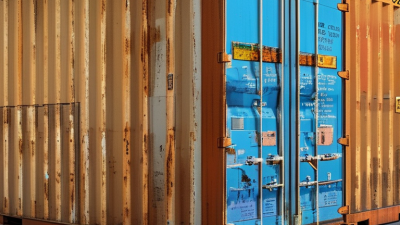
A video inspection can also reveal useful details, such as rust around door frames, damaged seals, uneven floors, and poor repainting. These small signs often matter more than attractive catalog images. Check the supplier’s business registration, export experience, customer references, and communication standards. Independent inspections may reduce uncertainty before shipment.
However, no evaluation method is perfect. A polished website does not prove reliable performance, and a low monthly rate may hide transport or repair costs. I have found that careful questions expose more than impressive promises. Buyers should compare several qualified suppliers and confirm that the containers meet local safety, transport, and storage requirements. A written agreement, documented condition report, and realistic delivery plan create stronger protection for both parties. This approach supports a dependable Lease Storage Containers decision based on evidence, not assumptions.
Before comparing China-based storage container suppliers, define the exact unit you need. ISO 668 commonly identifies a 20-foot container as 6,058 mm long, 2,438 mm wide, and 2,591 mm high. A standard 40-foot unit is 12,192 mm long. High-cube models add approximately 305 mm of internal height. These dimensions affect delivery access, stacking, and usable floor space. Measure your gate first. A small mistake can become an expensive crane problem.
Payload requires closer checking. ISO 668 defines container dimensions and ratings, but the permitted cargo weight depends on the manufacturer’s design and CSC plate. Request the tare weight, maximum gross mass, payload, and internal dimensions in writing. The CSC plate should show approval details, identification numbers, and examination information. Ask for clear photographs and production records. The UNCTAD Review of Maritime Transport 2023 reported about 858 million TEU in global container port throughput during 2022, showing how widely standardized equipment is used. Yet “ISO-sized” does not automatically mean suitable for storage.
A reliable supplier should explain steel thickness, floor loading, door clearance, ventilation, and corrosion protection. Compare these details, not only the quotation. For outdoor storage, check drainage and roof condition carefully. I would also request a recent inspection report and verify measurements on a sample unit. Some listings use rounded dimensions. That is easy to overlook. It should not be. Small differences may affect shelving, forklifts, and local transport permits.
ISO 668 standard dry containers commonly use 20-foot, 40-foot, and 40-foot high-cube dimensions. The chart compares their external length, typical tare weight, estimated payload, and the 30,480 kg maximum gross mass commonly used for CSC-compliant units. Actual tare and payload values may vary by container design, fittings, and certification plate.
How to Find China Top Lease Storage Containers Suppliers?
Screen Chinese Suppliers by Factory Capacity, Fleet Age, and ISO Certifications
Finding China’s top lease storage container suppliers requires more than comparing rental prices. Factory capacity shows whether a supplier can support seasonal demand without delaying dispatch. Ask for monthly output, available units, repair stations, loading equipment, and recent delivery records. A large factory is not automatically better. Visit the yard if possible. Look for organized stacking, dry floors, and clear inspection routes.
Fleet age matters because older containers may show warped doors, tired seals, or uneven flooring. Request a unit-age breakdown, maintenance logs, and photographs from recent inspections. Check corner castings, locking bars, ventilation, roof condition, and internal cleanliness. Do not trust polished sample units alone. Inspect several containers from different production years. I once focused too heavily on capacity; repair response proved more important.
Tips: Verify ISO certificates through the issuing body, and confirm their scope covers manufacturing or repair operations. ISO 9001 supports quality control, while ISO 14001 and ISO 45001 indicate environmental and workplace systems. Ask for serial-number traceability, acceptance criteria, replacement policies, and response times in writing. Small gaps matter. A reliable supplier answers clearly, admits limitations, and provides evidence before long-term leasing.
| Screening Dimension | Recommended Pass Rule | Data to Request | Acceptable Evidence | Suggested Weight | Risk Signal |
|---|---|---|---|---|---|
| Annual Factory Capacity | At least 10,000 standard container units per year, with production records for the previous 12 months. | Rated annual capacity, actual output, monthly production utilization, and available assembly lines. | Factory audit, production ledger, dated workshop photographs, and an on-site or live video inspection. | 20% | Capacity is stated only in brochures without verifiable production records. |
| Available Lease Fleet | At least 2,000 immediately deployable units, excluding units already committed to other customers. | Total fleet, available fleet, container types, dimensions, locations, and release schedule. | Dated fleet register, depot inventory report, serial-number list, and availability confirmation. | 20% | Large advertised fleet but limited stock at the agreed delivery locations. |
| Fleet Age and Condition | Average fleet age of 8 years or less; no more than 15% of offered units older than 12 years. | Manufacture year, last inspection date, repair history, floor condition, door condition, and corrosion status. | Unit-level inspection report, dated photographs, maintenance log, and random sample inspection. | 15% | Average age is provided without a unit-level age distribution or repair history. |
| ISO 9001 Quality Management | A current ISO 9001 certificate covering the relevant manufacturing or repair scope. | Certificate number, scope, issuing certification body, validity dates, and audit status. | Unexpired certificate verified with the certification body or an accredited certificate database. | 15% | Certificate is expired, outside the factory scope, or cannot be independently verified. |
| Environmental and Safety Systems | ISO 14001 and ISO 45001 are preferred for long-term leasing and high-volume projects. | Environmental objectives, waste-handling process, worker-safety records, and corrective-action reports. | Current certificates, recent audit findings, training records, and site inspection results. | 10% | No documented waste controls, safety procedures, or corrective-action process. |
| CSC and Structural Compliance | Every applicable unit has a legible CSC safety approval plate and a valid examination or inspection status. | CSC plate details, examination date, maximum gross mass, tare mass, and repair records. | Photographs of plates, inspection certificates, structural inspection reports, and serial-number matching. | 15% | Missing or unreadable plates, mismatched serial numbers, or overdue examinations. |
| Repair and Maintenance Capability | Routine repairs completed within 15 working days; emergency response available within 48 hours. | Repair lead time, spare-parts stock, mobile repair coverage, technician count, and escalation procedure. | Service-level agreement, repair tickets, spare-parts inventory, and depot service records. | 10% | Repairs are outsourced without defined response times or warranty responsibility. |
| Delivery Reliability | At least 95% on-time fulfillment against confirmed release dates during the latest 12-month period. | Order history, promised dates, actual release dates, port or depot location, and delay reasons. | Redacted delivery records, customer references, depot receipts, and logistics tracking documents. | 5% | Frequent schedule changes, unclear release points, or no historical delivery data. |
When evaluating China-based lease suppliers, do not judge a container by appearance alone. A clean 20-foot unit may still have an unreadable safety plate or uncertain tare weight. The critical figure is gross weight: cargo, container, and equipment combined must remain within the 30,480-kg limit.
Ask suppliers for clear photos of the CSC plate, tare weight, maximum gross weight, and recent inspection records. Check whether the plate belongs to the exact unit offered, not a similar model. For a 20-foot container, payload capacity may appear generous, but flooring repairs, doors, and added fittings can reduce practical capacity. A 40-foot unit needs closer attention. Its larger internal volume can encourage overloading before the space looks full.
Request empty-unit weighing at an independent weighbridge. Keep the ticket with the lease documents. Confirm the loaded weight, axle distribution, and local transport requirements with a qualified carrier. The 30,480-kg figure may not be the only restriction on a route. Bridge limits and vehicle capacity can be lower.
Supplier reliability also shows in small details. They should explain damage grading, maintenance history, replacement responsibility, and return procedures in writing. I have seen buyers focus on monthly price and overlook weighing costs. That is an expensive lesson. A careful inspection is not perfect, but it exposes assumptions before the container moves.
Lease rates are only the visible part of the invoice. Request a written quote for monthly rent, security deposit, repair liability, delivery, collection, and taxes. The Container xChange 2024 market analysis notes that container availability and prices vary sharply by location. A low monthly rate may hide expensive repositioning charges.
Compare deposits carefully. Some suppliers calculate them from replacement value, while others use fixed amounts. Ask how deductions are documented and when refunds are released. Repair terms also need detail. Check doors, floorboards, roof leaks, locking bars, and repainting standards during inspection. Photos with timestamps help. Cheap is not cheap.
Delivery can dominate the total cost. UNCTAD’s Review of Maritime Transport 2024 reported 2.4% growth in global seaborne trade during 2023, while route disruptions increased voyage distances and operating pressure. This makes local depot distance important.
Build a twelve-month total-cost model: rent, deposit financing, repairs, delivery, collection, insurance, and possible downtime.
The World Bank’s Logistics Performance Index 2023 also shows major differences in logistics reliability between countries. I still see buyers comparing only daily rates. That is an understandable mistake, but an incomplete one. Supplier records, inspection evidence, response times, and clearly written liability clauses reveal the practical difference.
How to Find China Top Lease Storage Containers Suppliers?
Audit Contracts for Inspection Cycles, Liability, Insurance, and Return Terms
A reliable supplier should provide more than attractive monthly pricing. Ask for a written inspection schedule before signing. The contract should state who checks the container, which parts are examined, and how findings are recorded. Monthly visual checks may suit short-term projects, while longer leases often need quarterly structural inspections. Include photos, inspection dates, and repair deadlines.
Pay close attention to liability language. It should explain responsibility for leaks, damaged doors, unsafe flooring, and losses caused by poor maintenance. Insurance clauses need equal detail. Confirm the required coverage, policy period, claim process, and proof of insurance. Do not accept “fully insured” without supporting documents. Ask whether your company is listed as an additional insured party when appropriate.
Return terms often create unexpected costs. The agreement should define the return location, notice period, cleaning standard, transport responsibility, and acceptable wear. Record the container’s condition at delivery with dated photographs. One practical mistake is assuming normal wear has the same meaning everywhere. It does not. Request examples of chargeable damage, such as bent locking bars or unauthorized modifications. I would also negotiate a joint final inspection. It may feel slow, but unclear handover records can become expensive. Leave room for review.