Why Is a Forklift Collision Detection System Essential for Safety?
In busy warehouses and industrial sites, safety is paramount. A Forklift Collision Detection System is a crucial tool for maintaining a safe environment. These systems help to prevent accidents between forklifts and employees or obstacles. Every year, injuries from forklift collisions can lead to significant setbacks for businesses.
Accurate technology reduces risks. Sensors and alerts guide operators, enhancing awareness. However, not all forklift operators may respond effectively under pressure. The reliability of these systems depends on proper training and regular maintenance. Even the best systems require human vigilance.
A proactive approach is essential. Regular assessments can identify potential issues. Over-reliance on technology may create false security. Companies must combine technology with employee training for optimal safety. The integration of a Forklift Collision Detection System is not just about compliance; it's about creating a culture of safety.
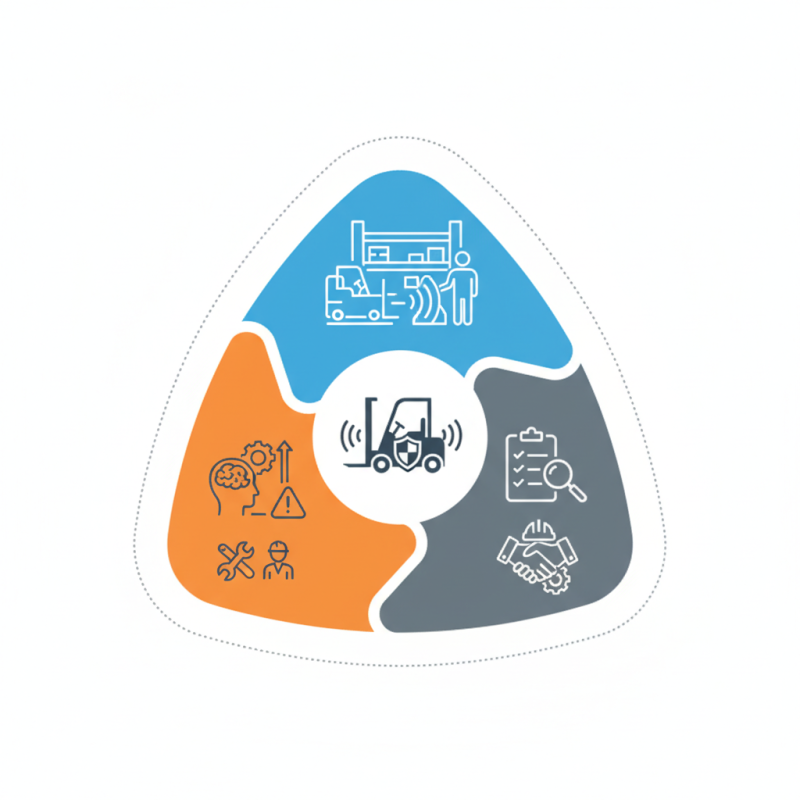
Importance of Forklift Safety in Industrial Environments
In industrial environments, forklift safety is crucial. Forklifts move heavy materials, and accidents can happen quickly. A collision detection system can prevent tragic incidents. It enhances safety by providing real-time alerts. Workers can feel more secure on the floor. Additionally, it minimizes downtime caused by accidents.
Here are some tips to improve forklift safety. First, conduct regular training for operators. Ensure they understand the equipment and protocols. Second, implement clear signaling systems. This can include lights and sounds to alert workers of moving forklifts. Third, maintain clear pathways. Cluttered areas can lead to accidents.
Pay attention to human behavior. Sometimes, workers may feel rushed. This pressure can lead to mistakes. Reflecting on past incidents can help improve protocols. Encouraging a safety-first mindset is essential. Each worker should understand their role in preventing accidents. Safety is everyone's responsibility in an industrial setting.
Common Causes of Forklift Collisions and Their Impacts
Forklift collisions are a significant concern in warehouses and construction sites. According to the Occupational Safety and Health Administration (OSHA), forklifts are involved in about 34,900 injuries annually in the United States alone. Many of these incidents arise from poor visibility and operator inattention. When a forklift operator is distracted, the risk of collision increases dramatically.
Common causes of these collisions include inadequate training, poor visibility, and insufficient safety measures. In fact, studies show that nearly 25% of all forklift accidents result from a lack of proper training. Furthermore, a report from the National Institute for Occupational Safety and Health (NIOSH) highlights that limited visibility contributes to roughly 40% of these incidents. Operators may fail to see pedestrians or other machinery, leading to dangerous situations.
The impacts of these collisions extend beyond immediate injuries. They can result in costly operational downtime and damage to products, which can disrupt supply chains. A study conducted by the Material Handling Industry revealed that a single forklift accident can cost a company up to $150,000, factoring in medical expenses and damage to materials. Investing in a reliable collision detection system can address these issues, ultimately enhancing workplace safety and efficiency.
Overview of Forklift Collision Detection Systems and Technologies
Forklift collision detection systems are critical for enhancing workplace safety. These systems utilize a combination of sensors, cameras, and software to monitor the surroundings of the forklift. Real-time data allows operators to respond quickly to potential hazards. By employing ultrasonic sensors or LiDAR technology, these systems can detect nearby obstacles or personnel. This immediate feedback helps reduce the risk of accidents.
Understanding the technology behind collision detection is vital. Many systems operate on simple principles, yet they require precise calibration. For example, cameras provide visual data, while radar and infrared sensors detect distances. Operators must remain aware of potential blind spots. Regular maintenance of these systems is essential to ensure optimal performance. Human error still plays a role, and workers should receive adequate training on how to use these technologies. Implementing such systems doesn’t eliminate risks entirely, but it significantly minimizes them.
The effectiveness of collision detection relies on constant vigilance from both machines and operators. As technology evolves, the integration of artificial intelligence could enhance decision-making in critical moments. However, reliance on technology alone isn’t enough. A culture of safety must be fostered within the organization. Collision detection systems are an essential part of this, but they serve only as a support tool for attentive and informed human oversight.
Key Benefits of Implementing a Collision Detection System
A forklift collision detection system is vital for enhancing workplace safety. According to the Occupational Safety and Health Administration (OSHA), nearly 85 fatalities occur annually due to forklift-related accidents in the U.S. These incidents often stem from poor visibility and operator error. A collision detection system can mitigate these risks, providing real-time alerts when potential collisions are imminent.
The implementation of such systems offers several key benefits. Firstly, they significantly reduce accident rates. A study by the National Safety Council found that workplaces with advanced safety technologies experienced up to a 50% decrease in accidents. This not only improves safety but also enhances operational efficiency. Another benefit is the potential for lower insurance costs. Less frequent accidents can lead to reduced premiums, saving businesses money in the long run.
While these systems show promise, their integration requires careful planning. Employees must be trained to understand the technology effectively. Misunderstandings around system alerts may lead to false security or even accidents. Additionally, not every location has the infrastructure to support advanced detection systems. Striking a balance between technology and practicality is essential for maximizing safety benefits.
Why Is a Forklift Collision Detection System Essential for Safety? - Key Benefits of Implementing a Collision Detection System
| Benefit | Description | Impact on Safety | Implementation Cost |
| Accident Reduction | Minimizes collision risks between forklifts and pedestrians. | High | $5,000 - $10,000 |
| Enhanced Awareness | Improves operator awareness of their surroundings. | Moderate | $3,000 - $7,000 |
| Increased Productivity | Streamlines operation by reducing downtime from accidents. | High | $4,000 - $8,000 |
| Insurance Premiums | Potential reduction in insurance costs due to decreased risk. | Moderate | N/A |
| Regulatory Compliance | Helps in meeting industry safety regulations. | High | $2,000 - $5,000 |
Best Practices for Forklift Safety and Collision Prevention
Forklifts are essential for warehouse efficiency, but they also pose safety risks. Implementing safety practices can significantly reduce collision risks. First, setting clear pedestrian pathways is crucial. These distinct routes help workers avoid unexpected encounters with moving forklifts.
Training is another key factor. Operators must undergo rigorous training to understand both equipment operation and the surrounding environment. Regular refresher courses are vital to keep skills sharp. Accidents can happen if operators grow complacent.
Tips: Always conduct daily safety checks. Ensure that safety features are functional. Also, encourage open communication among team members. If a worker spots a potential hazard, they should feel empowered to speak up. Creating a culture of safety can have lasting benefits for everyone involved.