Get A Free Quote

What Is a Panoramic Lift and How Does It Work?

A Panoramic Lift is an elevator designed to make the journey visible. Glass panels reveal the surrounding space, whether it is a hotel atrium, a shopping center, or an outdoor tower. Passengers may see floors slide past and notice daylight changing across the cabin. The view is the feature people remember. Yet appearance is only part of the design. A panoramic lift must still move smoothly, carry its rated load, and protect passengers during normal use and unexpected stops.

Its basic operation is similar to that of many conventional elevators. A motor moves the cabin through a shaft, while a controller responds to floor buttons and calls. Depending on the design, the lift may use traction equipment with ropes or a hydraulic system. Sensors monitor doors, position, and other operating conditions. Glass panels are selected and installed as part of an engineered enclosure; they are not simply decorative windows. The exact arrangement varies by building and manufacturer.

Details matter. A clear view should not distract from safe access, reliable controls, or suitable maintenance. The glass can also make fingerprints, reflections, and heat more noticeable than expected. That is easy to overlook. Architects, building owners, and lift professionals need to consider the site, passenger capacity, accessibility, and service requirements together. This guide explains what a panoramic lift is, how its main components work, and which practical questions deserve attention before installation. It cannot replace project-specific engineering advice, but it can make the discussion more informed.
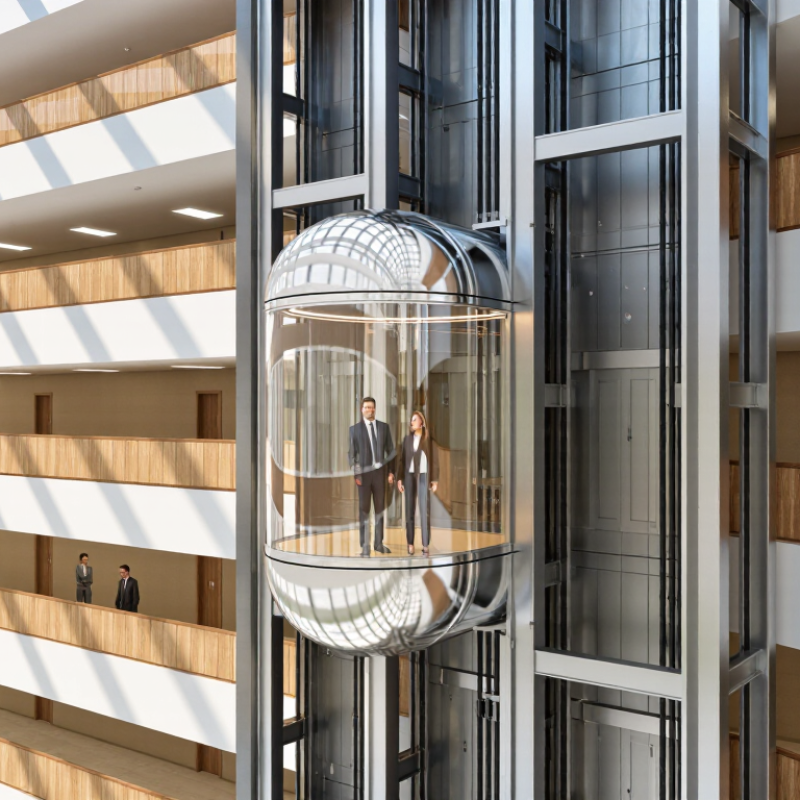
What Is a Panoramic Lift and How Does It Work?

What Is a Panoramic Lift?

A panoramic lift is an elevator designed to offer a view through transparent or partly glazed walls. It may travel inside a building atrium or along an exterior shaft. Unlike a conventional enclosed car, it lets passengers see floors, structural details, or the surrounding landscape during the ride. The glass is typically safety-rated and supported by a metal frame. It is not simply a sightseeing cabin with a motor attached.

Its main parts include the car, guide rails, drive system, doors, controls, and safety equipment. The drive moves the car along the rails, while sensors and braking systems help manage travel and respond to faults. The exact arrangement depends on the building’s height, layout, and intended passenger load. That matters. A lift beside a busy hotel lobby may need different door timing and capacity than one serving a small office. Clear glass also needs regular cleaning, and glare or reflections can make a view less impressive than expected. An architect and lift engineer should assess structural support, ventilation, accessibility, and maintenance access before installation. Glass can feel open, but some passengers may still find the ride uncomfortable. That is worth considering.

What Are the Main Parts of a Panoramic Lift?

A panoramic lift is an elevator with glazed walls that turn each ride into a view of the building. Its main parts remain familiar: a car, guide rails, a drive system, doors, and safety controls. The car’s frame supports the floor and glass panels. Laminated safety glazing helps contain fragments if glass breaks, while metal mullions divide the panels and carry loads. The view is striking. Yet glare, reflections, and heat can make the cabin less comfortable than expected.

The drive system moves the car along fixed guide rails. Depending on the design, it may use traction equipment and counterweights, or a hydraulic system. A controller coordinates the motor, sensors, floor calls, and door operation; brakes and overspeed protection help manage abnormal movement. The European Lift Association’s 2023 statistical report estimates that Europe has more than six million installed lifts, illustrating the scale of equipment requiring maintenance. That figure covers lifts generally, not panoramic models. For a glass car, technicians also inspect panel fixings, seals, and visibility, alongside ordinary mechanical checks. A small detail matters: fingerprints and dust show quickly on clear glazing, so cleaning access should be planned early.

How Does a Panoramic Lift Operate?

A panoramic lift moves passengers inside a cabin with glass walls, offering views of the building as it travels. Its operating principle is similar to that of a conventional elevator. An electric motor drives the cabin through a traction system, or a hydraulic mechanism raises it using fluid pressure. The exact setup depends on the building’s height, layout, and design. Guide rails keep the cabin on its path, while a controller responds to floor requests and manages acceleration, travel, and stopping.

During a ride, sensors monitor the cabin’s position and speed. When it approaches a selected floor, the control system slows it and levels the cabin with the landing. Door interlocks help prevent movement while doors are open, and emergency communication systems let passengers request help. Glass changes the experience, not the basic need for careful engineering. Still, reflections and bright sunlight can make a moving cabin feel faster than it is. That impression can be unsettling.

Tips: Look for a clear floor indicator before boarding, and keep bags away from the doors. If the ride feels uneven, report it to building staff rather than assuming it is normal. An occasional rattle may have a simple cause, but guessing is not a substitute for inspection.

What Types of Panoramic Lifts Are Available?

Panoramic lifts come in several forms, chosen for the building, route, and view. Glass-walled lifts may sit inside an atrium or travel along an exterior façade. Some use a round or polygonal cabin, giving passengers a broader view, while others use a rectangular cabin that fits more easily into a standard shaft. Drive systems vary too: traction lifts suit many mid-rise and high-rise projects, while hydraulic lifts are often considered for shorter travel. The right choice depends on traffic, floor height, structure, and local safety requirements—not just appearance.

A useful distinction is whether the lift is enclosed in a shaft or exposed behind a purpose-designed glass enclosure. Exterior installations can make a striking entrance, but wind, weather, cleaning access, and heat gain need careful assessment. Fortune Business Insights valued the global elevator market at USD 88.59 billion in 2023 and forecasts USD 132.08 billion by 2032. This market-wide figure includes many lift types; it does not measure panoramic lifts alone. That distinction matters when using market data to plan a project. A beautiful glass cabin can still feel uncomfortable if glare or crowding is overlooked.

Tips: Ask for a traffic study and check sightlines from every landing. Compare glass specifications, ventilation, maintenance access, and emergency provisions. Then review a full-scale cabin mock-up if possible. It may reveal awkward reflections or a cramped handrail position—small details that drawings can miss.

What Is a Panoramic Lift and How Does It Work?

Panoramic lifts are passenger elevators designed to provide views through transparent cabin panels or an enclosing structure. They travel along a guided path, powered by an elevator drive system. Common layouts include vertical lifts inside a building or along its façade, and inclined lifts that follow a sloping route. These layouts describe where and how the lift travels; transparent construction can be used in more than one layout.

Where Are Panoramic Lifts Used?

Where Are Panoramic Lifts Used?

Panoramic lifts are common in hotels, shopping centres, museums, and transport hubs. Their glass walls let passengers see atriums, public spaces, or city views during the ride. In a hotel lobby, for example, a lift may travel beside a tall indoor garden, making each floor easy to spot. At a station, a panoramic cabin can help visitors understand the building’s layout. These lifts also appear in some residential buildings, especially where views are part of the design.

They suit open, high-traffic spaces, but glass alone does not make a lift practical. Designers need to consider privacy, glare, heat, cleaning access, and how the lift connects with accessible routes. A striking view can become a distraction if signs or floor indicators are hard to see. And not every location benefits from a transparent cabin.

Tips: When choosing a panoramic lift, look at the approach as well as the ride. Check whether passengers can find the entrance easily, read controls clearly, and travel comfortably at busy times. Ask how the glass will be cleaned and maintained. Small details matter. A beautiful cabin may still feel exposed or confusing, and that deserves an honest review before installation.

What Is a Panoramic Lift and How Does It Work? - Where Are Panoramic Lifts Used?

Topic Description Practical Details
What it is A panoramic lift is an elevator designed with transparent or partly transparent walls, allowing passengers to see the surrounding space while travelling between floors. The enclosure may use safety glass or other engineered transparent panels. The lift can be installed inside a building atrium or on an exterior façade.
How it works Like other passenger elevators, it moves a car between landings using a lifting system, guide rails, control equipment, doors, and safety devices. Depending on the design, the lift may use a traction system with ropes and a counterweight or a hydraulic system. The selected system depends on the building and project requirements.
Main components Typical components include the passenger car, transparent wall panels, landing doors, guide rails, drive equipment, controls, and safety systems. Visibility through the car walls does not replace required guarding, interlocks, emergency communication, or other elevator safety provisions.
Passenger experience The open views can make a lift journey more engaging and help passengers see the building interior or surrounding landscape. Lighting, reflections, privacy, glare, and passenger comfort should be considered when choosing the location and glazing design.
Hotels and resorts Panoramic lifts are often used in lobbies, atriums, and buildings with views of gardens, coastlines, or cityscapes. They can form part of the guest experience while serving the same circulation role as a conventional passenger lift.
Shopping centres and public venues They may be installed in shopping centres, museums, visitor attractions, and other public buildings where an open view suits the interior. Capacity, accessibility, traffic flow, and applicable building and elevator codes need to be assessed for each site.
Offices and residential buildings Some offices and residential developments use panoramic lifts in atriums or prominent shared spaces as a visible design feature. Placement should account for residents’ or occupants’ privacy, as well as the lift’s intended passenger demand.
Outdoor installations An exterior panoramic lift can provide views while connecting different levels of a building or site. Exterior equipment and glazing must be selected for the local weather conditions and maintained according to the lift design and applicable requirements.
Planning considerations Designers assess the building structure, travel distance, number of stops, expected use, accessibility, and available space. Installation details, permitted dimensions, capacity, and safety requirements vary by project and jurisdiction; they should be confirmed with qualified professionals and local authorities.
crossmenu linkedin facebook pinterest youtube rss twitter instagram facebook-blank rss-blank linkedin-blank pinterest youtube twitter instagram