Top Box Die Cutting Innovations at 139th Canton Fair?
The 139th Canton Fair has become a hub for innovations in Box Die Cutting technology. This event, taking place from April to May 2026, showcases the latest advancements in manufacturing and machinery. Each section highlights unique features, attracting various industry professionals.
With the introduction of AI-driven tools, attendees can efficiently find suppliers. This ensures a quicker selection of manufacturers with specific certifications like ISO and CE. The fair spans 1.55 million square meters, optimizing the path for everyone. This improvement significantly enhances the overall experience.
However, challenges remain. Some innovations in Box Die Cutting may still lack user-friendliness. Manufacturers must address these shortcomings to ensure their products meet market demands. It’s an ongoing journey of refinement and feedback, making this year's fair exceptionally vital. The push for excellence is evident, but the path is not without its hurdles.
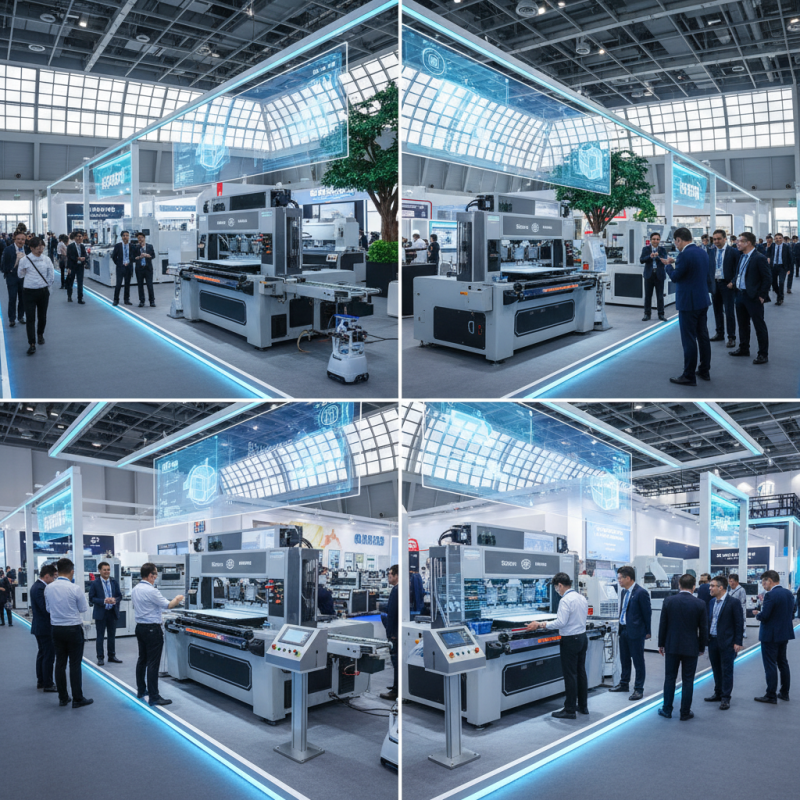
Key Trends in Die Cutting Technology Showcased at the Canton Fair
The 139th Canton Fair was a showcase of cutting-edge trends in die cutting technology. Exhibitors highlighted innovative solutions that enhance production efficiency. Advanced die cutting machines displayed faster processing speeds and superior precision. This shift aims to meet evolving market demands.
New materials and techniques were also presented. Many companies explored eco-friendly options, reducing waste and promoting sustainability. However, some challenges remain. Adapting outdated machinery to new tech can be complex and costly. Moreover, not all manufacturers are ready to embrace change fully.
Workshops during the fair focused on best practices and skill development. Attendees expressed mixed feelings about adopting these innovations. While some were excited, others felt hesitant about the investment. The die cutting landscape continues to evolve, leaving industry players with much to consider.
Top Box Die Cutting Innovations at 139th Canton Fair
| Innovation Type | Technology | Application | Key Feature |
| High-Speed Die Cutters | Servo Motor Technology | Mass Production | Increased efficiency and reduced cycle time |
| Digital Die Cutting | Laser Cutting Technology | Custom Packaging | High precision and flexibility in design |
| Automated Die Cutters | Robotic Integration | Automated Production Lines | Reduced labor cost and increased productivity |
| Smart Die Cutting Machines | IoT Technology | Real-time Monitoring | Improved maintenance and operation insights |
| Multi-Functional Die Cutters | Combination Technology | Versatile Applications | Ability to cut, crease, and perforate in one pass |
Innovative Materials Used in Top Box Die Cutting Solutions
At the 139th Canton Fair, die cutting innovations took center stage. A key focus was on the innovative materials used in top box die cutting solutions. Many of these materials offer enhanced durability and flexibility. They can be molded into intricate shapes, making them ideal for unique packaging requirements.
Recycled and biodegradable options emerged as eco-friendly choices. Companies are increasingly turning to these materials in response to growing environmental concerns. This shift reflects a broader trend toward sustainability in packaging. However, the performance of these materials can sometimes fall short in strength. Finding the right balance remains a challenge for manufacturers.
Another notable development was the use of advanced composites. These materials provide excellent structural integrity without adding excessive weight. They're perfect for creating robust designs that also keep production costs in check. Yet, the cost of these innovative materials can deter some businesses. Many are still hesitant to make the investment without guaranteed outcomes. This highlights the ongoing need for further research and development in the sector.
Advancements in Automation and Efficiency for Die Cutting Processes
The 139th Canton Fair showcased remarkable innovations in box die cutting technology. Automation and efficiency stood out as key themes. Attendees observed various machines designed to simplify the die cutting process. These advancements promise to reduce manual labor significantly.
One notable trend was the integration of software systems. These systems enhance accuracy and speed. However, some operators expressed concerns about the learning curve. They wondered how quickly their teams could adapt to these new tools. Feedback can help improve usability and training methods.
Additionally, energy efficiency was highlighted. Machines are now designed to consume less power while maintaining high performance. This shift could lower operational costs in the long run. Nevertheless, some participants questioned if initial investments would be justified. Balancing cost and innovation is a challenge worth addressing.
Top Box Die Cutting Innovations at 139th Canton Fair
Sustainability Practices in Die Cutting Technologies at the Fair
At the 139th Canton Fair, die cutting technologies showcased a strong focus on sustainability. The industry is responding to global concerns about environmental impact. Recent studies indicate that the packaging sector accounts for over 30% of global plastic waste. The move towards eco-friendly materials is becoming critical.
Innovative die cutting methods now use biodegradable substrates. Research by the Packaging Institute shows that 65% of manufacturers are adopting sustainable practices. For instance, water-based inks are replacing solvent-based inks. These changes reduce harmful emissions during production.
However, challenges remain. Many companies still depend on traditional methods. Transitioning requires investment and education. Not all players are willing to change quickly. There is a pressing need for comprehensive training. The future of die cutting hinges on balancing efficiency and environmental responsibility.
Emerging Challenges and Opportunities in the Die Cutting Industry
The die cutting industry is evolving rapidly. The recent challenges include rising material costs and environmental regulations. Businesses are urged to adapt quickly. Companies must innovate. Failing to do so could lead to lost opportunities and market share.
Emerging trends highlight sustainability and efficiency. There is a growing demand for eco-friendly materials. Many manufacturers are seeking solutions that reduce waste. Additionally, automation technology is becoming crucial. It can streamline production and enhance accuracy. However, integrating new technologies can be daunting. Resistance to change is common.
Tips: Start small with technology upgrades. Test new materials on a limited scale first. Maintain open communication with your team. Encourage feedback and collaboration. Stay informed about industry trends through networking. Join forums to exchange insights. The path is complex, but progress is essential for survival in this dynamic market.